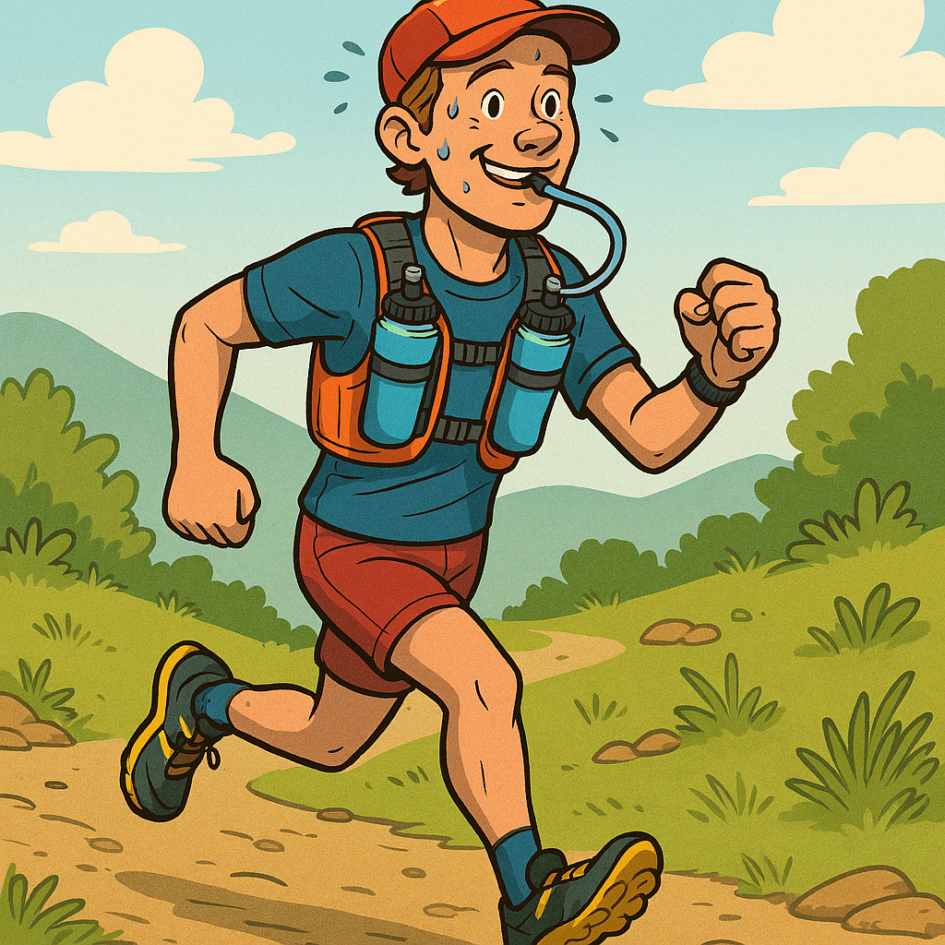
Thoughts on running, biking, and smart hydration strategies
Hydration is one of those topics everyone agrees is important, but it often gets less attention than shoes, watches, or training plans. Out on the trails—whether running or biking—hydration can quietly make or break a day. Once the distances grow longer, the climbs steeper, and the weather warmer, drinking enough (and the right things) becomes essential.
This isn’t about strict formulas or race‑day science. It’s about practical hydration habits that work on real trails, during real runs and rides.
Hydration Is Always Context‑Dependent
Trail running already throws out most road‑running rules. Pace varies wildly, hiking becomes part of the plan, and elevation gain can turn a short distance into a long effort. Add biking into the picture and hydration becomes even more individual: higher speeds, airflow, and longer distances change how and when you drink.
Weather, intensity, and duration matter far more than fixed “X liters per hour” numbers. Good hydration planning starts with the route, not the bottle size.
Bladders, Flasks, and Bottles – Use Each for What It’s Good At
Hydration Bladders: Simple and Reliable
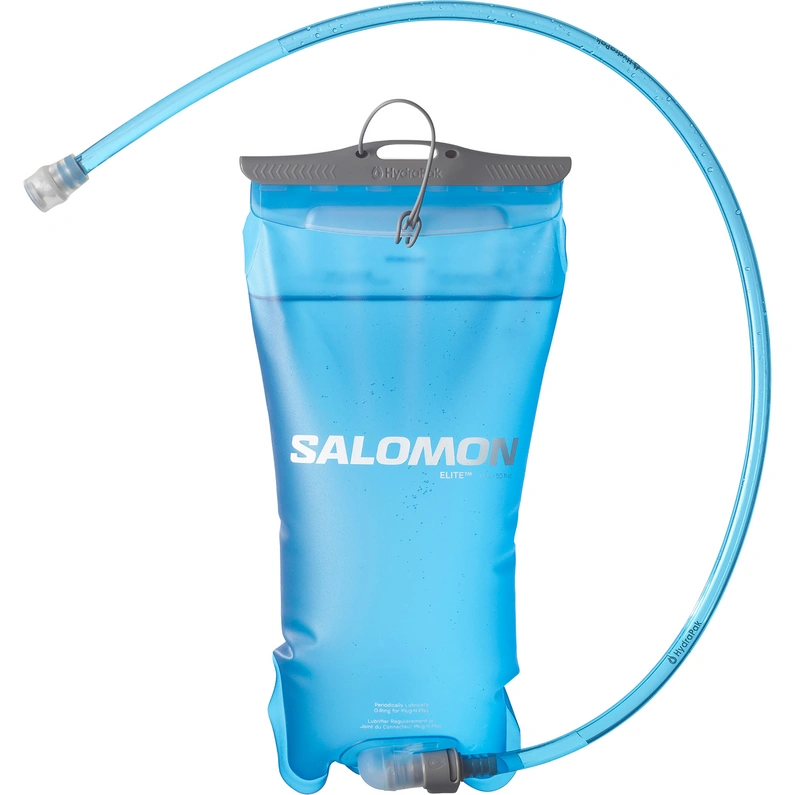
Hydration bladders are perfect for long efforts where you want continuous access to water without stopping. They sit well in a running vest or backpack and make regular small sips easy—great for both trail running and biking.
However, bladders have one clear drawback: they are harder to clean than flasks or bottles. Because of that, I only ever put pure water into a bladder. No isotonic mixes, no sugar, no flavoring—just water. This avoids sticky residue, unpleasant smells, and the constant need for intensive cleaning.
Cooling Trick for Hot Days
On hot summer days, drinking warm water halfway through a run is far from ideal. One simple trick works surprisingly well:
- Freeze a block of ice the day before and put it directly in the bladder
- Fill the remaining space with water
- Don’t freeze water in the bladder: except it’s clearly stated that the bladder is freezer-proof
- Don’t use ice-cubes: they work, but not nearly as long as a solid block of ice
The drink stays cool for quite a while, and even longer if the bladder sits in an insulated pouch. It’s a small effort with a big payoff when temperatures rise.
Consideration for Freezing Days
When the weather is freezing and you’re on your long run, the last thing you want to have is a frozen straw. I haven’t really found a way to avoid this: so I suggest when the temperature drops below -5°C to switch to flasks and also add some isotonic mix to it: the salt in those will prevent it from freezing.
Soft Flasks and Bottles: Nutrition Goes Here
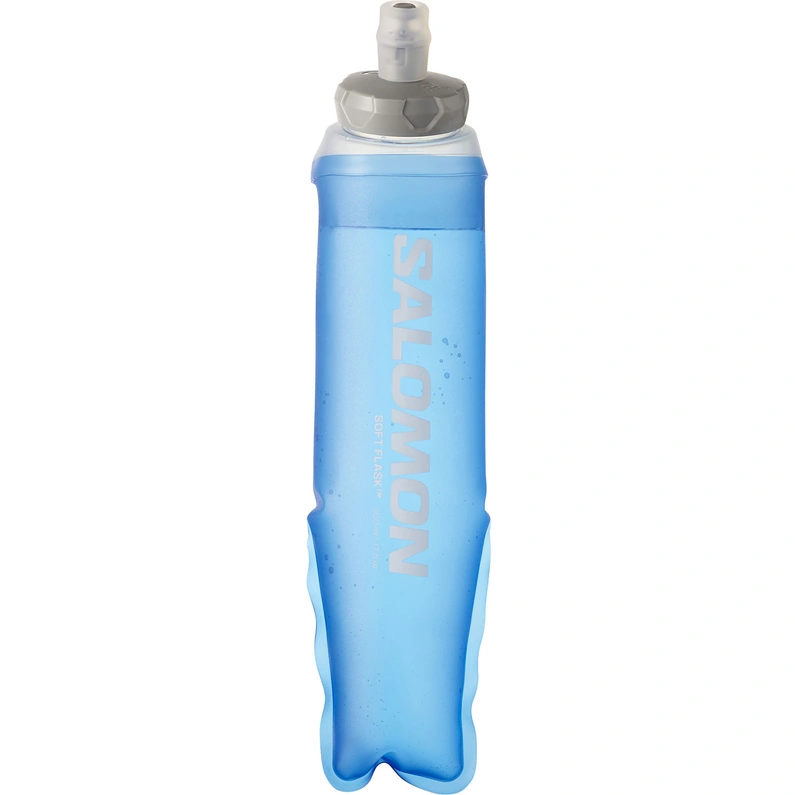
Flasks and bottles are much easier to clean properly, which makes them ideal for isotonic drinks, electrolytes, or fuel mixes. These are especially useful on:
- long runs and rides,
- hot days,
- or harder efforts where nutrition becomes important.
My preferred setup is simple:
- Water only in the bladder
- Isotonic drinks in flasks or bottles
This separation keeps things clean, flexible, and easy to manage.
Hydration While Biking
While the basics stay the same, biking adds a few twists:
- You often sweat more than you realize due to airflow
- Distances between refill points can be longer
- Accessing a hydration hose is safer than grabbing a bottle on rough terrain
For longer bike rides, a combination of bladder and bottles works extremely well:
- bladder for steady hydration,
- bottles for electrolytes or nutrition.
Especially on trail or gravel rides, being able to drink without taking your hands off the bars is not just convenient—it’s safer.
Keep Refill Stations in Mind
Hydration planning isn’t just about what you carry—it’s also about where you can refill.
Whenever possible, I plan routes around public drinking fountains, which are quite widespread where I usually run and ride. Knowing where these are allows you to:
- carry less water,
- reduce overall weight,
- and stay flexible if a run or ride takes longer than planned.
Especially on longer trail outings, refill points can completely change how much gear you need to bring.
Don’t Ignore the Weight
Water is heavy. One liter equals one kilogram, and carrying more than necessary will make itself known—particularly on long climbs.
The goal is always:
as much hydration as needed, as little weight as possible
Good planning, realistic weather assessment, and known refill options help strike that balance.
A Small but Important Final Thought
One last detail that’s easy to forget:
whatever goes in… has to get out again, too.
Hydration planning also means thinking about:
- toilet availability,
- privacy along trails,
- and timing before races or long group activities.
Ignoring this can quickly turn hydration from helpful into inconvenient.
Closing Thoughts
Good hydration on the trails—whether running or biking—is not about a single product or rule. It’s about building a system that works for you:
- water in the bladder,
- nutrition in flasks or bottles,
- cooling where possible,
- refills along the way,
- and weight kept under control.
Get this right, and hydration becomes something you don’t need to think about while moving—leaving you free to focus on the trail ahead.
Leave a Reply